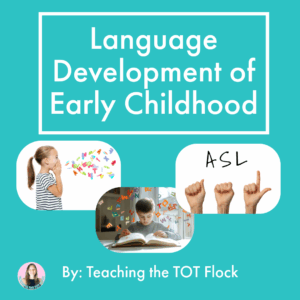
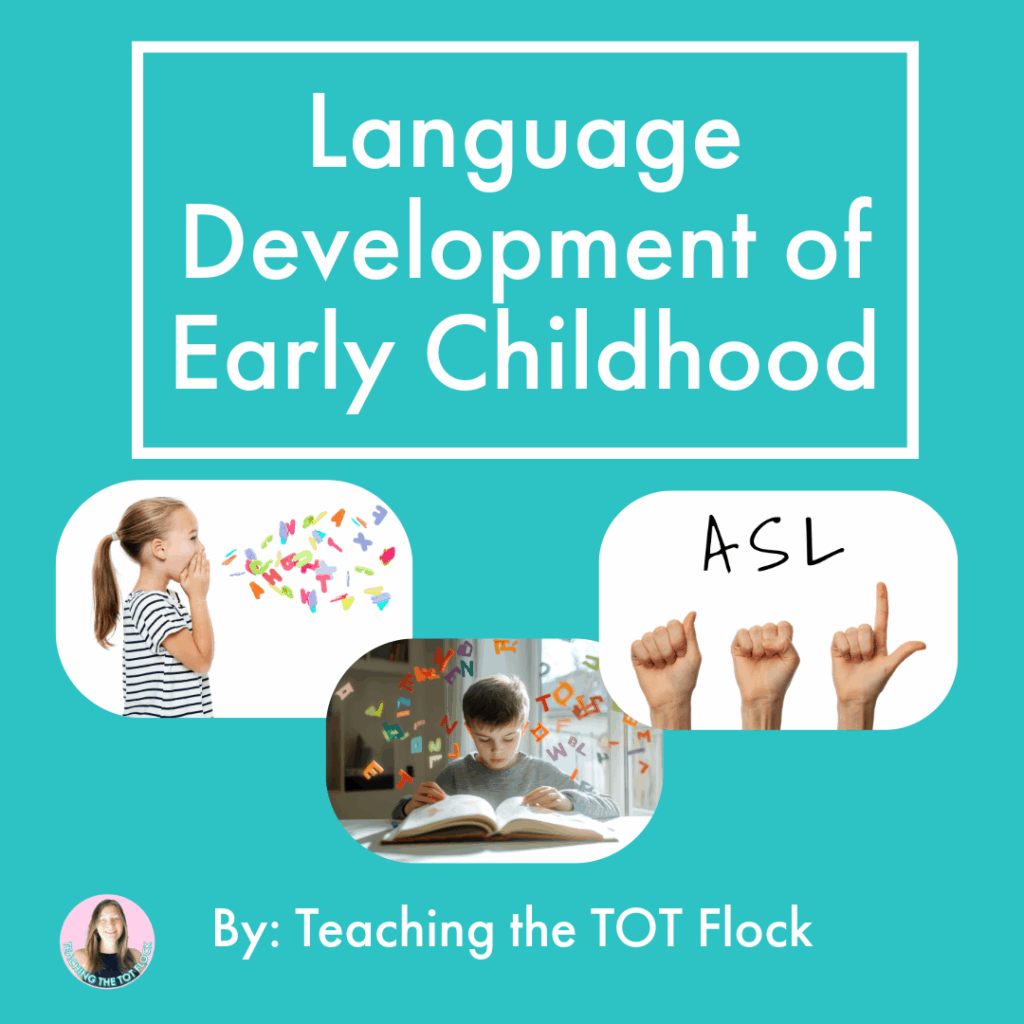
Language development of early childhood is a wide topic full of many stages in five years. Every parent loves to hear a baby coo, which can be the first verbal sign of language development; however, language development begins in the womb and continues for a lifetime. Receptive language is equally important to verbal communication. Receptive language is what we hear and comprehend. Understanding this complex process and how we as adults can best support it is crucial for a child’s overall cognitive and social-emotional growth.
Some key factors that can help or impede language development are interactions with caregivers, educational environment, cognitive development and biological factors. Reading to children, providing language opportunities for learning, and building memory and reasoning skills can all help boost language development.
language development of infant
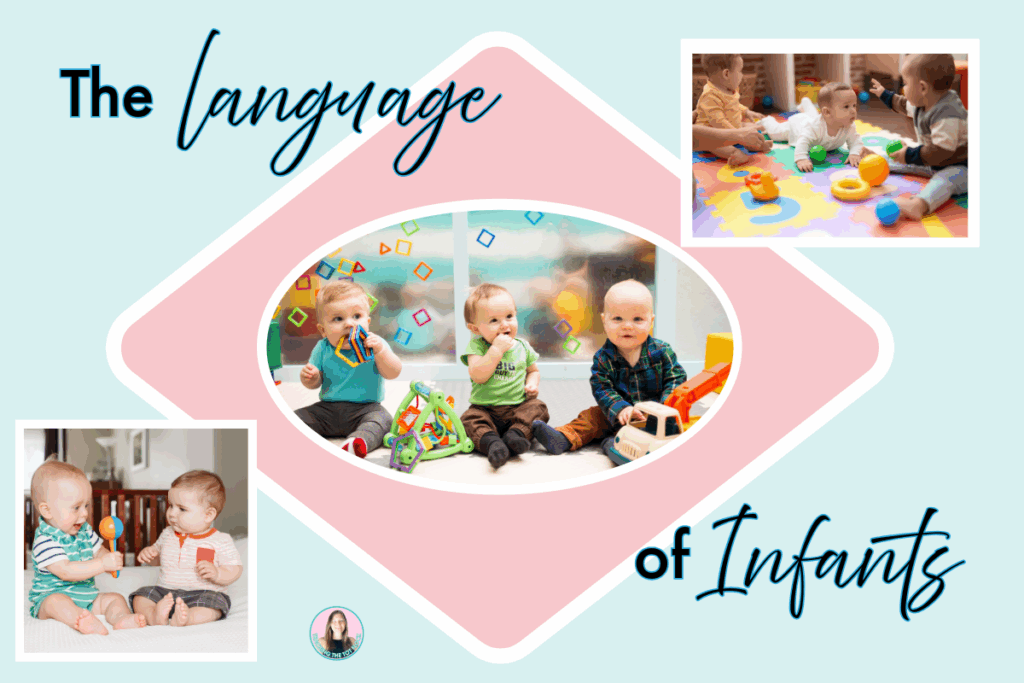
Language development of infants is not an exact timeline however there are many factors during this stage to look into and implement to promote growth in language. Crying and cooing are the first signs of language development in infants. Babbling such as ma-ma, and ba-ba. Babbling can be a back and forth with a caregiver. Using gestures such as pointing and waving can help communicate needs and wants to others. During this stage an infant can learn the voices of familiar caregivers and sounds that they hear regularly. These simple prelinguistic skills will lay the foundation for language development during toddlerhood.
language development toddler
The language development toddler is usually where a parent starts to hear the impact of all the language stimulation that they have been working on. For a parent, hearing the words ma-ma or da-da is the first sign of knowing your child is developing their communication skills in a typical pattern. Sometimes, after those initial sounds, a parent can be left wondering if more words will be spoken. Most children use spoken language slowly at first. By their second birthday, a child should have around fifty words. Some might have more than others. Toddlers learn simple words first, along with items that they use daily; this helps them build meaning with the language that they are learning. The second half of the one-year-old life, they can learn to make two-word phrases. Some phrases might start with more (blank) or go out. Most communication at this stage is for wants and needs and their clarity and ease of understanding can be questionable at this stage. That is lack of clarity in speech is age-appropriate and will become clear with more practice.
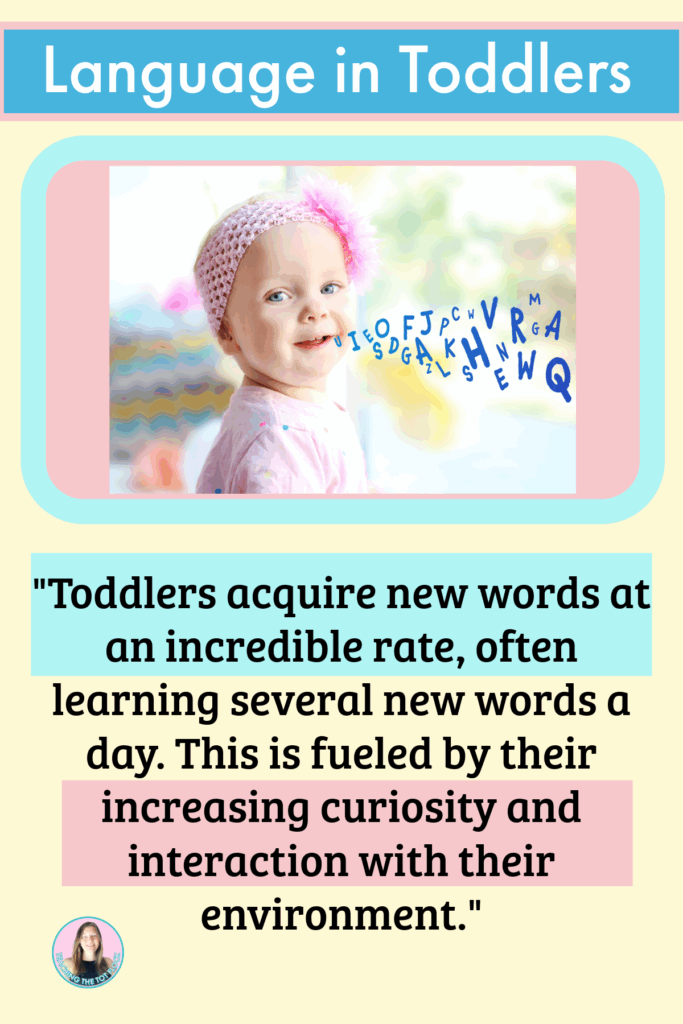
During the second year of life the language development toddler becomes more clear and their vocabulary starts to explode. The beginning of the two year old starts like the older one with two word phrases. During this stage of language development the child learns that they can change ending of words to add to their vocabulary such as “play” to “played.” This is the famous why stage, and the curiosity for learning and exploring their world turns into rich language interactions. Some great ways to foster communication skills are reading stories, singing songs, and labeling new items for children. A child’s receptive language is their ability to understand what is being said to them, even if they can not speak the words themselves. Toddlers acquire new words at an incredible rate, often learning several new words a day. This is fueled by their increasing curiosity and interaction with their environment. Naming objects, actions, and feelings during everyday routines significantly supports this growth.
language development preschool
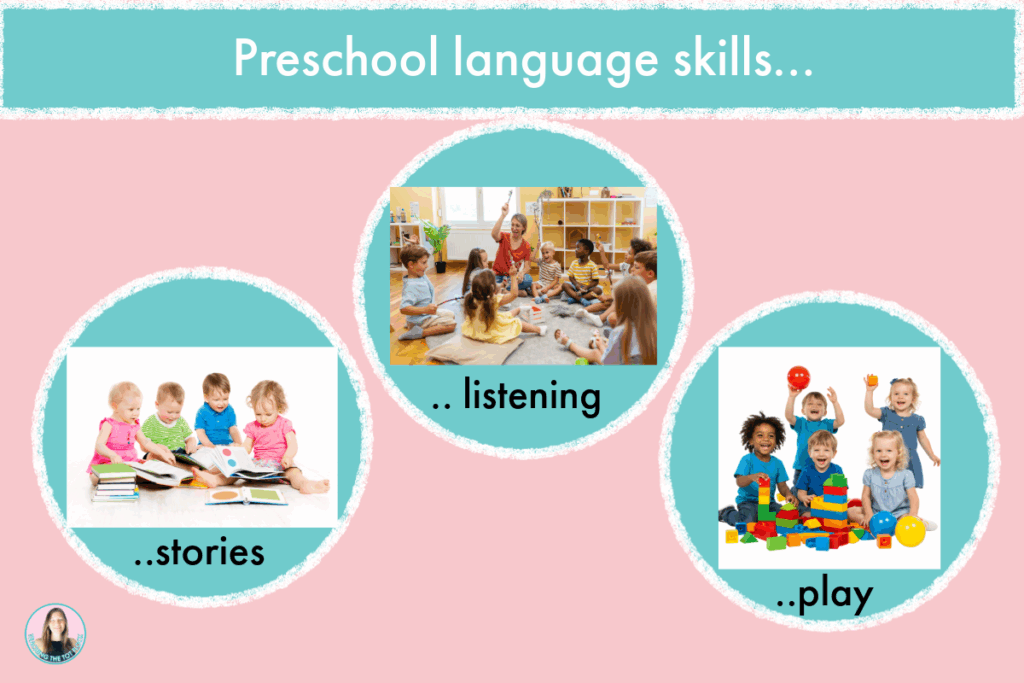
Language development preschool is where you see your child interacts with others, speaks about wants, needs, and likes. This is a stage where children often behave like little adults, sometimes with the help of adults. In preschool, children learn to develop their social skills through social communication. Through these interactions, children learn about the importance of friendships and how to engage with others in meaningful ways. The expressive language, which is the ability to communicate thoughts and feelings verbally, explodes during the preschool years. This stage is famous for asking children the ‘why’ and ‘what’ questions to further their learning and curiosity about life.
Preschool language changes in complexity in various ways. Children will start to participate in conversations. Their sentences will be longer and more complex than in the toddler stage. Some foundational literacy skills start to develop for future reading skills. Some of these skills are Phonological awareness, the ability to hear and manipulate sounds in spoken language. Children will learn that letters have symbols with their growing print awareness skills. They will build their narrative skills, which is the ability to tell and understand stories.
language development
Parents play a vital role in their child’s language development in many ways. The first is just by talking, talking out loud gives your child time to learn what language and learn how to respond to the sounds that they hear. This also builds their receptive language skills. Read stories aloud; the research is in, and the more you read to your children, the greater their reading skills will be in the future. Singing songs and reciting rhymes will help with phonological skills and introduce new vocabulary in a fun way. Playing games such as I Spy that enhance verbal language and building complex sentences from what your child expresses can help teach them sentence structure and help build their vocal independence.

Related Resources:
Reinforcing Language Skills for Our Youngest Learners
https://www.naeyc.org/our-work/families/reinforcing-language-skills
Communication Milestones: Age Ranges
https://www.asha.org/public/developmental-milestones/communication-milestones
The SLP NextDoor
https://www.theslpnextdoor.com/blog
NAEYC Support Language Development in Infants and Toddlers
https://www.naeyc.org/our-work/families/support-language-development-infants-and-toddlers